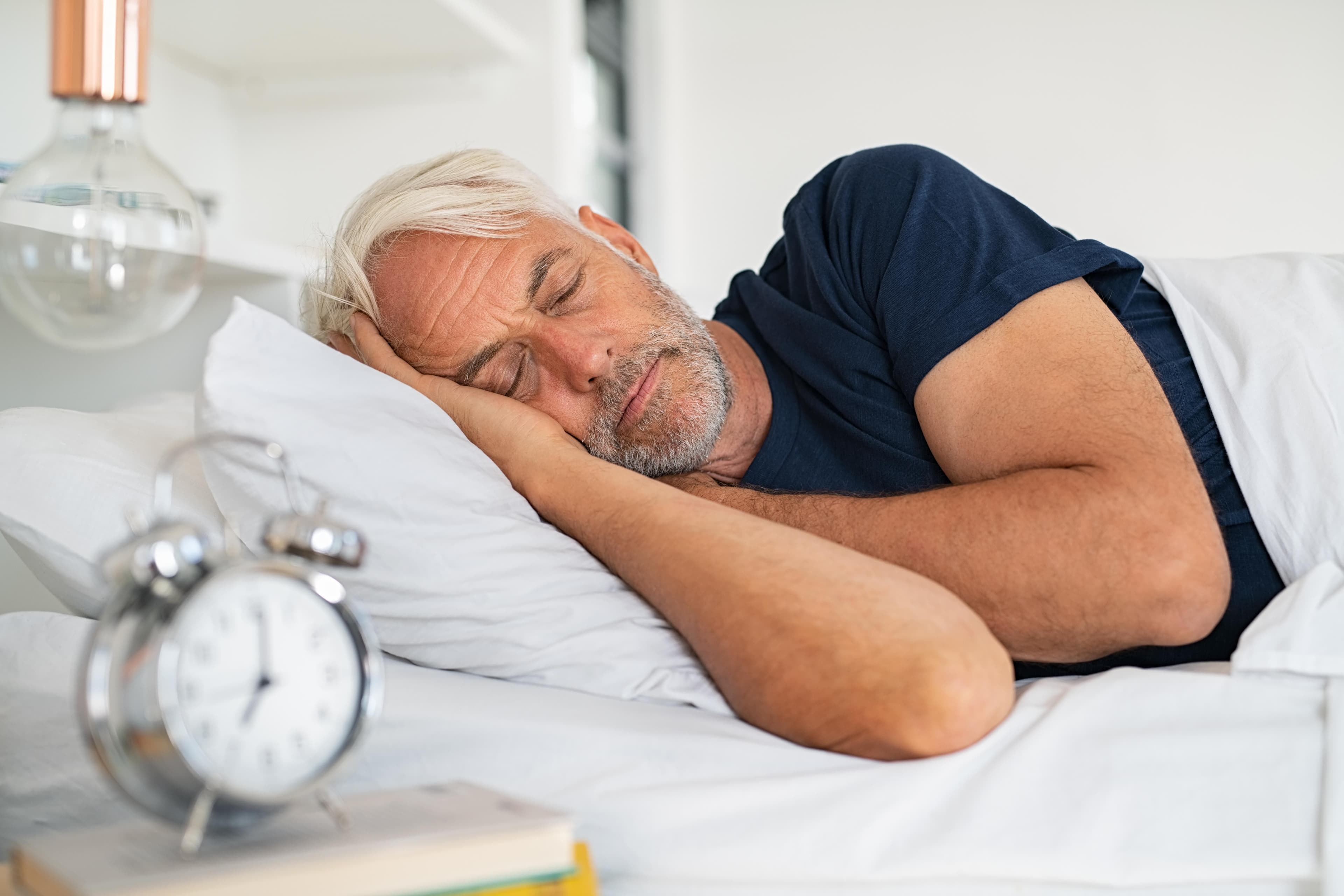
About Our sleep services
A sleep test is a medical assessment conducted overnight to measure brain activity, breathing patterns, oxygen level, heart rhythm and body movements to diagnose potential sleep disorders. At Independent Physiological Diagnostics (IPD) we assess and manage a wide variety of sleep disorders, such as obstructive sleep apnoea (OSA), insomnia, parasomnias, restless leg syndrome, snoring, and other complex sleep-related conditions. Every patient receives personalised care, with results analysed and reported by our national consultant network to ensure clinical accuracy
Our Services
Home Video Polysomnography (V-PSG)
A gold-standard, overnight sleep study that records brain activity, muscle movement, heart rhythm, breathing, and oxygen levels
Best for:
Diagnosing complex sleep disorders such as sleep apnoea, parasomnias, and unexplained sleep disruption.
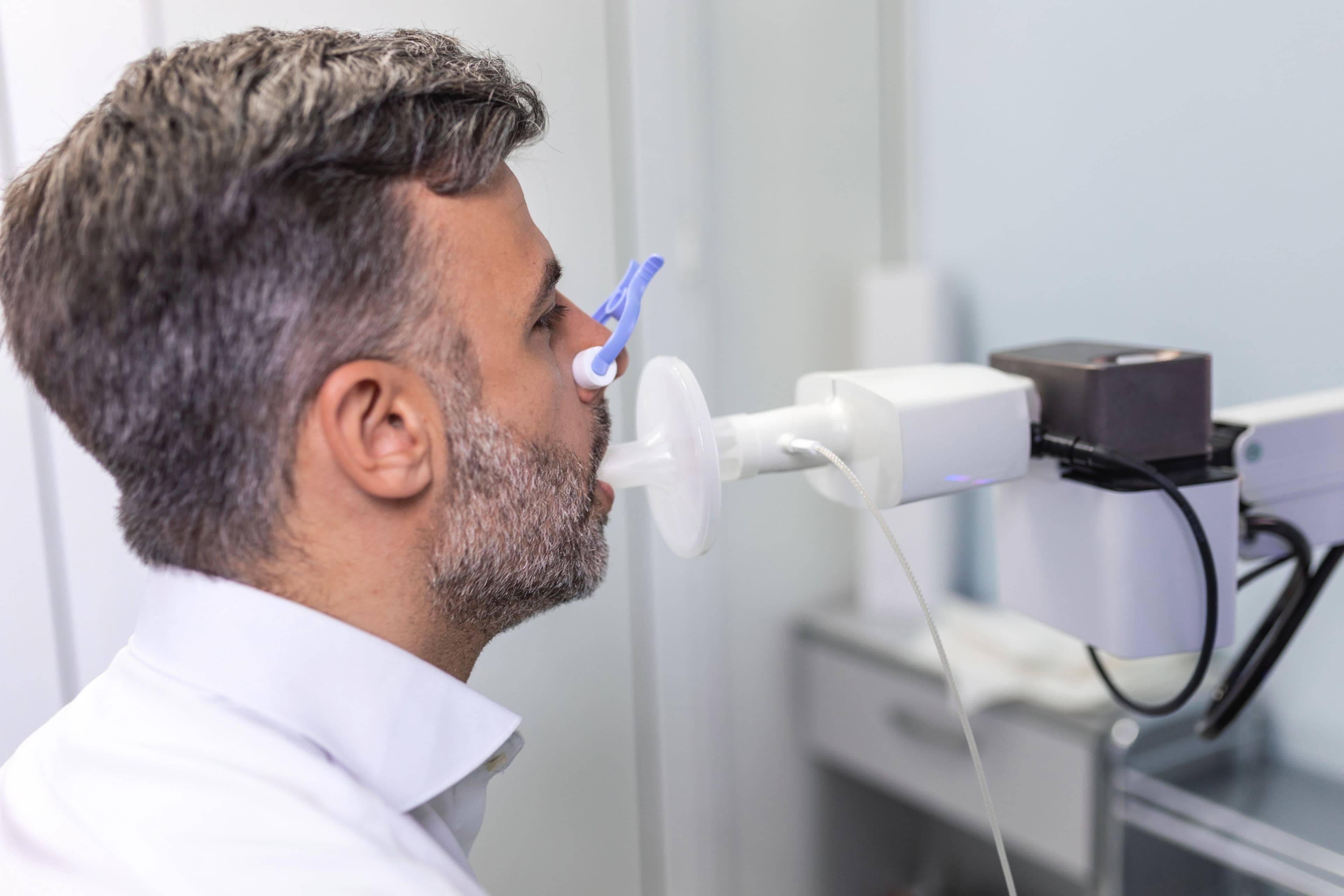
Respiratory Polygraphy
A focused, overnight test that measures breathing effort, oxygen levels, and airflow while you sleep.
Best for:
Characterising sleep related breathing disorders such as snoring and sleep apnoea.
Home Multiple Sleep Latency Test (MSLT)
A daytime test following an overnight study, measuring how quickly you fall asleep during several nap opportunities.
Best for:
Investigating excessive daytime sleepiness or suspected narcolepsy.
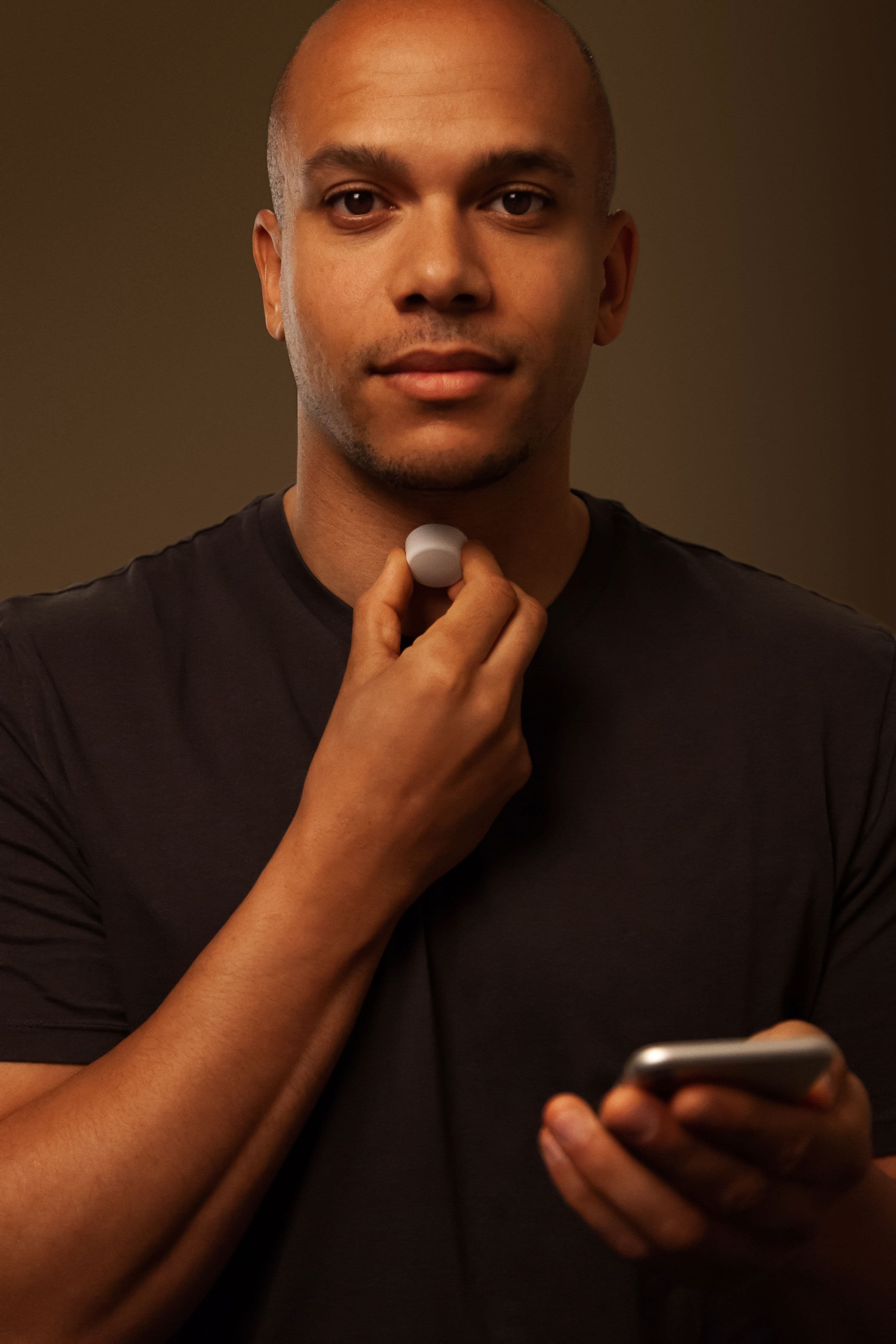
Actigraphy
A simple, wrist-worn device that tracks your sleep-wake patterns and daily activity levels over 1–2 weeks.
Best for:
Assessing insomnia, circadian rhythm disorders, and sleep patterns.
Maintenance of Wakefulness Test
A sleep study that measures a person's ability to stay awake during the day, performed in the comfort of your own home.
Best for:
Assessing the effectiveness of treatments for excessive sleepiness.
Combined PSG-EEG Test
A comprehensive test combining polysomnography and EEG to monitor brain activity during sleep.
Best for:
Diagnosing complex or neurological sleep conditions in adults and children.
Sleep Apnoea Screening Test
A simple overnight study using sensors to screen for sleep apnoea at home.
Best for:
Initial assessment of sleep apnoea risk.
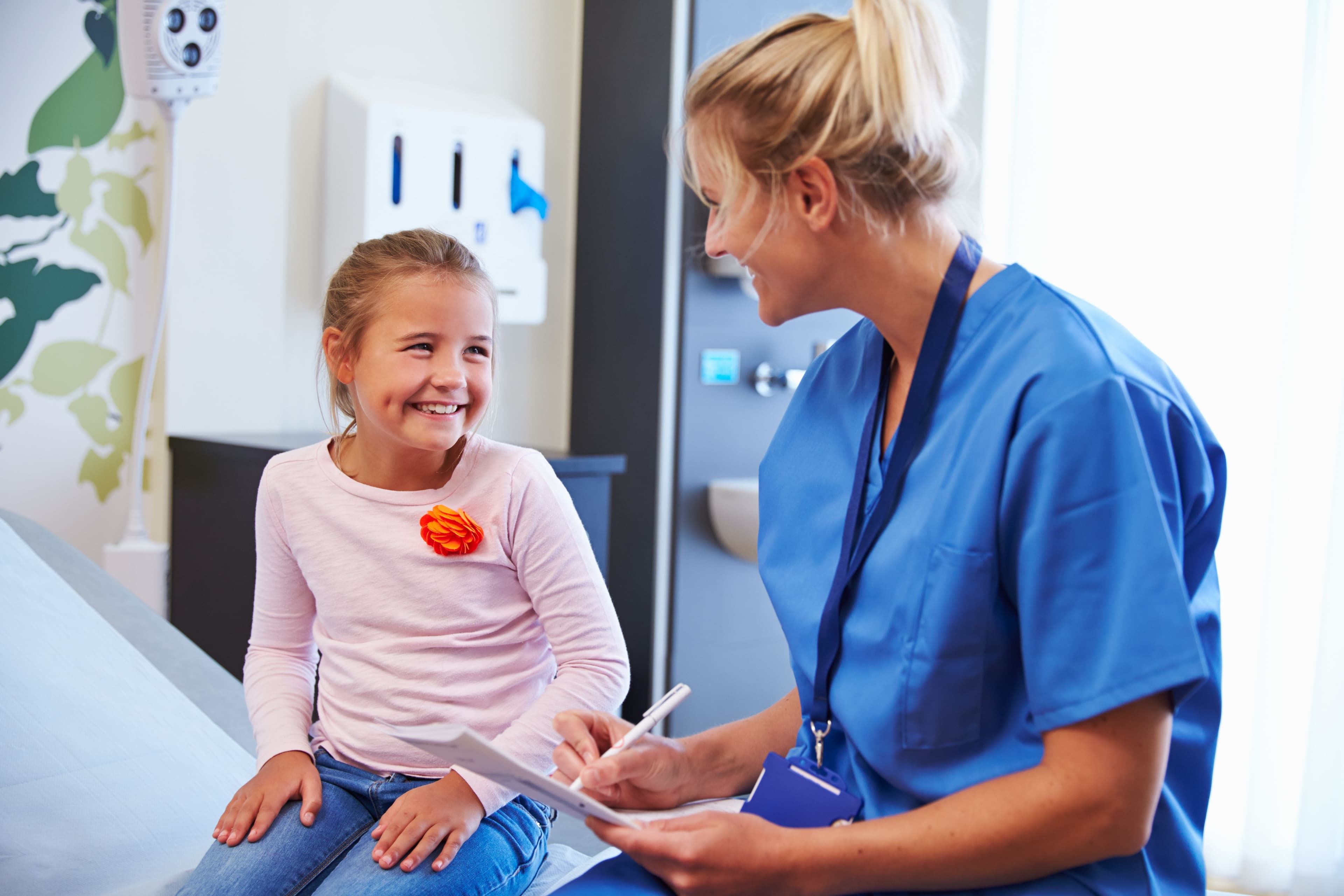
Paediatric Sleep Testing
IPD provides gentle, home-based sleep studies for children of all ages. Our experienced team helps families prepare, ensures a comfortable experience, and delivers reliable results.
Our paediatric team is here to help if you have questions about your child's sleep test or want advice on which service is best.
Ready to Book Your Sleep Study?
Get the answers you need for better sleep and improved health.
Contact us to book your sleep study
Or call our friendly team for advice 0207 381 8698
Explore other services available at IPD


Frequently Asked Questions
Common questions about our sleep testing services
How long does a sleep test take?
Most overnight tests take 8-10 hours, while daytime tests like MSLT can take 6-8 hours with multiple nap opportunities.
Can I do the sleep test at home?
Yes, most of our tests can be conducted in the comfort of your own home, including V-PSG and respiratory polygraphy.
Will the test be uncomfortable?
Our tests are designed to be as comfortable as possible. The sensors are lightweight and non-invasive.
How soon will I get my results?
Results are typically available within 1-2 weeks after your test, with a detailed report from our sleep specialists.
What conditions can a sleep test diagnose?
It can help detect sleep apnea, insomnia, narcolepsy, restless leg syndrome, and other sleep-related disorders.
How soon will I get my results?
Results are usually available within 1–2 weeks, depending on the clinic and type of test.
Does insurance cover sleep testing?
Many insurance plans do cover sleep testing, especially if medically necessary. Check with your provider for details.
What happens if my test shows a sleep disorder?
Your doctor will discuss treatment options, which may include lifestyle changes, CPAP therapy, or medication depending on the diagnosis.
Do I need a doctor’s referral for a sleep test?
In most cases, yes. Your doctor will assess your symptoms and refer you for a test if needed.
How should I prepare for the sleep test?
Avoid caffeine or alcohol before the test and try to follow your usual sleep routine. You’ll receive detailed instructions ahead of time.