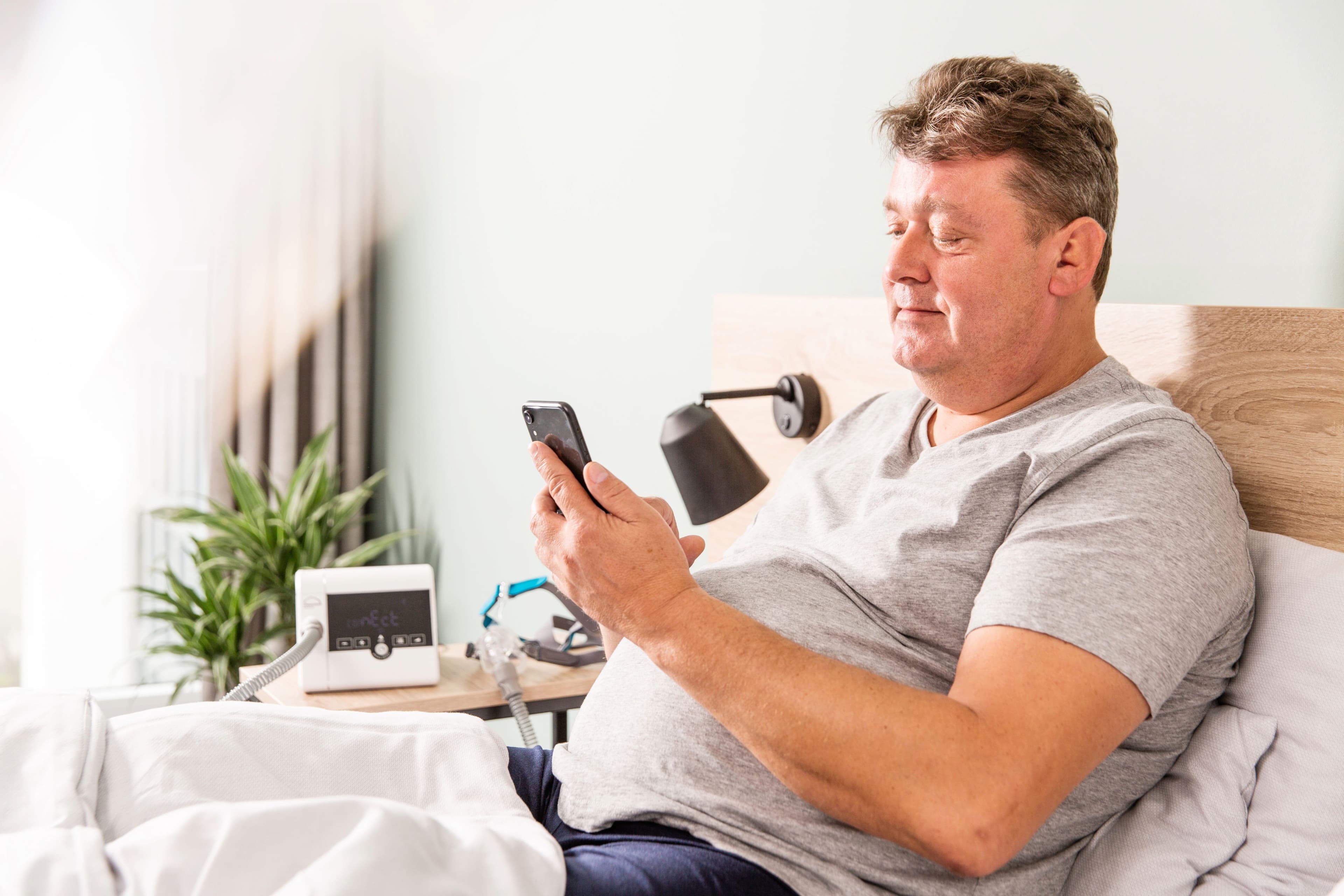
Understanding Sleep-Related Breathing Challenges in Obesity
Obesity Hypoventilation Syndrome (OHS) is a serious but often underdiagnosed condition where excess weight affects your ability to breathe effectively, particularly during sleep. People with OHS do not breathe deeply enough, which leads to low oxygen levels and high carbon dioxide levels in the blood. This chronic under-breathing (hypoventilation) can lead to daytime fatigue, breathlessness, and long-term health consequences if not properly managed.
At IP Diagnostics, we provide expert assessment, diagnostics, and ongoing support for patients living with OHS and related respiratory sleep disorders—helping to improve your breathing, sleep quality, and overall health.
What Is Obesity Hypoventilation Syndrome?
OHS occurs when:
- A person has a Body Mass Index (BMI) of 30 or higher
- There is chronic under-breathing (hypoventilation), particularly at night
- No other primary cause for breathing failure is present (such as neuromuscular disease)
It is commonly associated with Obstructive Sleep Apnoea (OSA), which often coexists with OHS. However, OHS goes beyond OSA, involving persistent poor ventilation even when awake.
Common Symptoms of OHS
Symptoms often overlap with other sleep and respiratory conditions, but may include:
- Morning headaches
- Severe daytime sleepiness or fatigue
- Shortness of breath, especially during activity
- Loud snoring or witnessed apnoeas during sleep
- Difficulty concentrating or poor memory
- Swollen legs (due to strain on the heart)
- Bluish tinge to lips or fingers (in more advanced cases)
These symptoms result from a combination of poor sleep quality and low oxygen levels over time.
Who Is at Risk?
OHS is most commonly found in individuals with:
- Moderate to severe obesity (BMI ≥ 35)
- Coexisting Obstructive Sleep Apnoea
- Sedentary lifestyles or limited mobility
- Underlying lung conditions (e.g., asthma, COPD)
- Metabolic conditions like type 2 diabetes or hypertension
Men and women over the age of 40 are more frequently affected, but it can occur at any age.
How Is OHS Diagnosed?
At IP Diagnostics, we use a combination of tests to confirm a diagnosis of OHS:
- Overnight home sleep study (cardiorespiratory polygraphy) to assess apnoea and oxygen levels
- Capnography to measure carbon dioxide levels overnight and during wakefulness
- Blood gas testing (via referral) to check for chronic CO₂ retention
- Consultation with a respiratory or sleep physician to assess symptoms, medical history, and risk factors
Our home-based diagnostic approach makes the process easier and more accessible while maintaining clinical accuracy.
Treatment Options for OHS
Managing OHS effectively can greatly improve energy levels, cardiovascular health, and quality of life. Treatment may include:
- Non-Invasive Ventilation (NIV): A machine (such as BiPAP) that supports breathing during sleep by helping the lungs take in more air and remove carbon dioxide
- Weight management support: Referral to specialist weight loss services or bariatric support teams
- CPAP therapy: If OHS coexists with OSA, CPAP may be appropriate in some cases
- Supplemental oxygen: Only used when clinically indicated and monitored carefully
- Regular monitoring: Follow-up sleep studies and clinical consultations to ensure treatment remains effective
We work closely with your existing care team to ensure all aspects of your health are supported.
Why Choose IP Diagnostics?
At IP Diagnostics, we take a multidisciplinary, patient-centred approach to managing Obesity Hypoventilation Syndrome. From accurate home diagnostics to expert consultation and therapy planning, we ensure patients are fully supported every step of the way.
We offer:
- In-home testing for sleep-related breathing disorders
- Access to respiratory physiologists and sleep consultants
- Personalised treatment plans, including therapy device support
- Ongoing remote monitoring and clinical reviews
Concerned about breathlessness, fatigue, or disrupted sleep?
OHS is a manageable condition when identified early. Contact IP Diagnostics today to speak with our team and take the first step toward better breathing and better sleep.